
5 min read
My Child ‘Just Plays’ in Therapy; Is Anything Actually Happening?
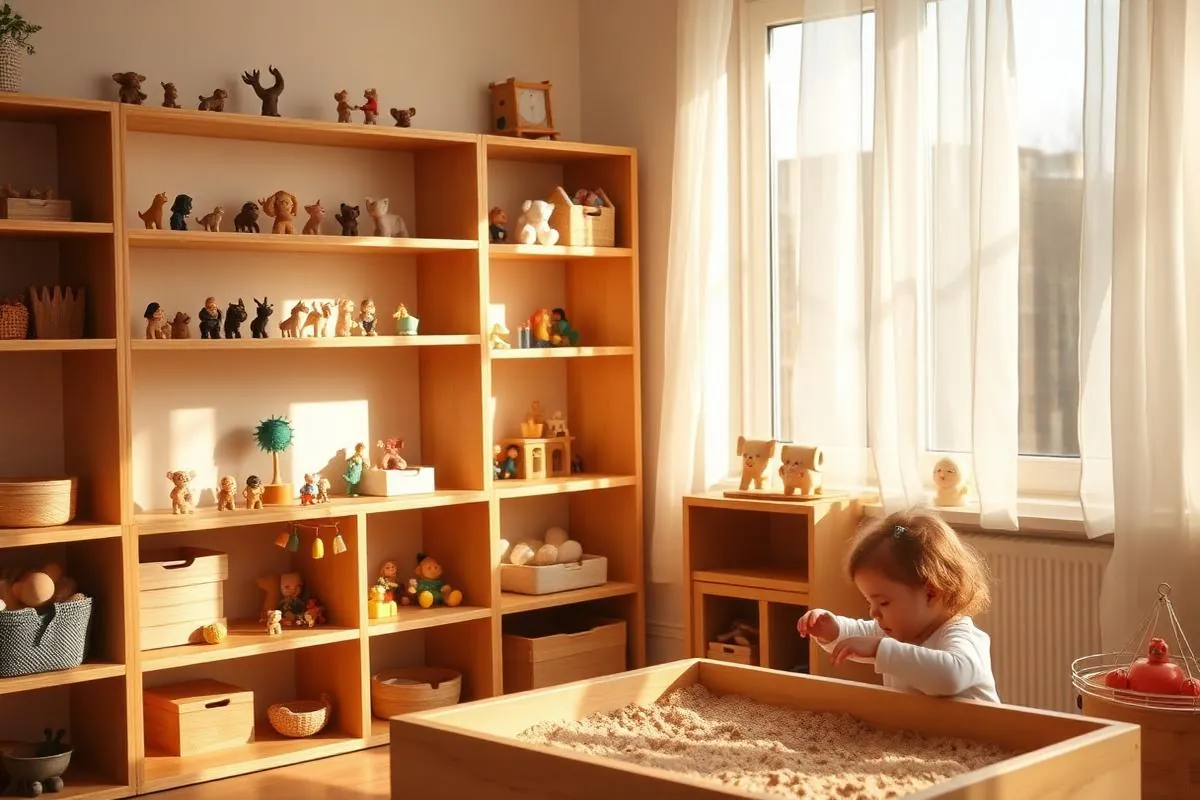
Child-Centred Play Therapy gives younger children a developmentally appropriate way to communicate and practise new responses, within a purposeful therapeutic relationship.
Your child comes out of the consulting room looking happy and says, “We played shops.” You have rearranged work, made the drive and paid for a clinical appointment. It is reasonable to wonder whether anything therapeutic happened.
Adults are used to therapy sounding like insight: I realised why I do that. A six-year-old may not have the language, distance or cognitive ability to explain an internal experience that way. For many younger children, play offers a more accessible medium for expression, relationship and rehearsal than a conversation led by adult questions.
That does not make every kind of play therapeutic. The difference lies in the clinical framework, the therapist’s responses and the goals being held around the child.
What the therapist is doing while the child plays
In Child-Centred Play Therapy (CCPT), the child generally chooses how to use a carefully selected range of toys and creative materials. The therapist provides warmth, predictability and acceptance, while maintaining clear limits around safety and the room.
Rather than directing the child towards a predetermined lesson, the therapist pays close attention to emotion, choices, patterns and the way the child approaches challenge and relationship. They may reflect feeling, describe effort, return responsibility at a manageable level or set a calm boundary. These responses are intended to support emotional awareness, agency, problem-solving and a sense of competence.
The play may look ordinary from the doorway. The therapeutic work is often in the interaction: whether the child can risk making a choice, tolerate frustration, accept a limit, recover after something goes wrong or let another person understand part of their experience.
Why is it child-led?
Parents sometimes expect the therapist to ask directly about the separation, school refusal or outburst that prompted the referral. There are times for direct assessment, but CCPT itself is intentionally child-led. Repeated questioning can make a child feel examined or responsible for producing the “right” answer.
Following the child’s lead does not mean the therapist is passive. It means the therapist works with what the child brings, at a pace the child can use, while holding the therapeutic purpose and boundaries. A competent therapist also knows that a single toy, drawing or play theme is not proof of a particular event or diagnosis. Meaning is never responsibly inferred from one symbol in isolation.
How will a parent know whether it is helping?
Progress should not depend on a child giving a detailed account of the session. At intake, parent and therapist can agree on observable goals: perhaps easier separation, less intense outbursts or faster recovery, more flexible play, improved sleep or a greater ability to seek help.
Parent consultations allow the therapist to hear what is changing at home and school, review goals and discuss how adults can support progress. What can be shared from sessions depends on the child’s age, safety, consent and treatment plan. The therapist should explain that balance clearly rather than leaving parents either shut out or expecting a running commentary on the child’s play.
Research offers measured support. A meta-analysis of 52 controlled studies found a moderate overall treatment effect for child-centred play therapy approaches. Outcomes and study quality varied, so the finding is not a promise for an individual child. It does show that CCPT is a studied therapeutic approach, not simply supervised recreation.
The North Star takeaway: ask about function, not a play-by-play
After a parent review, three useful questions are:
- What capacity are we helping my child build?
- What change would we expect to notice outside the playroom?
- What can we do at home without turning home into therapy?
This keeps everyone focused on the child’s life rather than asking the therapist to decode every game. At home, North Star’s practical behaviour prompt can help: Look Beneath, Stay Beside, Hold the Boundary, Build the Capacity. It is an educational prompt, not a play-therapy protocol.
What this does not mean
CCPT does not mean “any play is therapy”, that toys reveal hidden facts, or that children never need direct questions or other treatment. It is not the right fit for every age, goal or clinical presentation. Child-led also does not mean boundary-free or parent-free. Assessment, safeguarding, parent input and coordination with other supports remain important.
When it may be time to seek help
Consider the North Star Five-Signal Check: change, persistence, intensity, impact and recovery. Professional input may be useful when emotional or behavioural changes persist, become more intense, affect sleep, school, friendships or family life, or your child is not returning towards their usual self with ordinary support. An intake can clarify whether CCPT, another therapy or a broader assessment makes sense.
Beginning with a parent intake
North Star Child Therapy offers private child, young person and parent therapy for families across Bayside Melbourne. We begin with a parent intake to understand the concern, your child’s
development, family context and goals before recommending a pathway. If CCPT is considered, we will also explain the role of parent reviews and how progress will be evaluated.
Not sure whether this is a phase or something that needs more support? North Star begins with a parent intake to understand what has changed, how much of life is being affected and whether child therapy, young person counselling, parent support or another next step is likely to fit. North Star provides private support for families across Bayside Melbourne.
This article provides general educational information only. It does not diagnose a child, replace individual medical or mental-health advice, or provide emergency care. North Star- named frameworks are educational aids, not validated assessment, diagnostic or treatment tools.
Urgent support: If anyone is in immediate danger or there is a mental-health emergency, call Triple Zero (000) or go to the nearest emergency department. For 24/7 crisis counselling, call Lifeline on 13 11 14. Kids Helpline supports young people aged 5–25 on 1800 55 1800; these counselling lines are not emergency services. For Victorian Child Protection contacts, including after-hours intake, visit https://services.dffh.vic.gov.au/reporting-child-abuse; reports cannot be made through the website or email. North Star Child Therapy is not a crisis service.
References and further reading
- Lin Y-W, Bratton SC. A Meta-Analytic Review of Child-Centered Play Therapy Approaches. https://doi.org/10.1002/j.1556-6676.2015.00180.x
- Ray DC, Armstrong SA, Balkin RS, Jayne KM. Child-Centered Play Therapy in the Schools: Review and Meta- Analysis. https://doi.org/10.1002/pits.21798
Keep reading
- Trauma Is Not Only What Happened: Why Children Respond So DifferentlyA child’s response to a frightening experience is shaped not only by the event, but by development, meaning, safety, relationships and what happens afterwards.
- What Actually Happens in Trauma-Focused CBT?TF-CBT is a structured, caregiver-inclusive therapy that builds coping skills and approaches trauma memories gradually—it is not a forced retelling of what happened.
