
4 min read
Why They Hold It Together at School, Then Fall Apart at Home
An after-school collapse can reflect the cost of coping, but it is a pattern to understand, not a diagnosis and not proof of one cause.
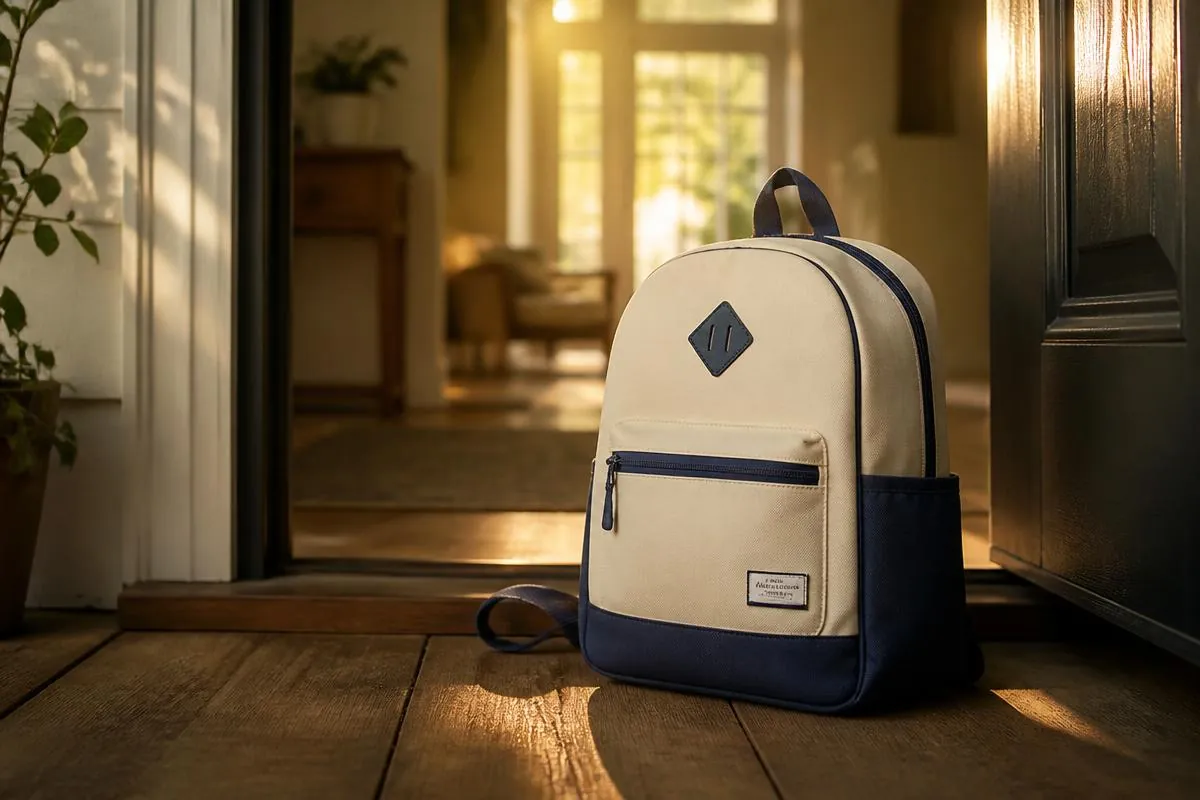
The school report is positive. Your child followed instructions, completed the work and caused no concern. Then they get into the car, argue about the wrong snack, refuse a simple request and unravel before their bag reaches the floor.
Parents often wonder: If they can manage at school, why can’t they manage with me?
One possibility is that home is where the effort of the day becomes visible. A child can use enormous energy managing noise, transitions, uncertainty, learning demands, friendships, sensory input and the expectations of a group. By the time they reach a familiar adult, their capacity may be depleted.
That is only one explanation. “After-school restraint collapse” is a popular description, not a diagnosis. The pattern does not automatically mean a child was masking, that school was unsafe or that home is the only place they feel secure.
Use the North Star Parent Compass
The North Star Parent Compass is a clinic-created educational prompt. It has not been validated as a screening, assessment or diagnostic instrument and cannot identify the cause of a child’s behaviour.
Notice
Look for the pattern rather than judging one afternoon. Does the difficulty happen on particular days, after certain classes, following sport, during busy terms, when lunch has been missed or after poor sleep? How long does recovery take? Is the child also struggling on weekends or holidays?
Explore
Several factors can produce a similar-looking collapse:
- hunger, thirst, tiredness or illness;
- sensory and social load;
- anxiety, perfectionism or fear of making mistakes;
- sustained effort to manage attention, movement or communication;
- learning demands that exceed current skills;
- bullying, friendship stress or feeling misunderstood;
- a rapid sequence of after-school demands; or
- relief at reaching a familiar environment.
Do not assume that every outburst has one emotional meaning. Pain, sleep, medication effects and physical health can matter too.
Support
The first thirty minutes after school may need to be treated as a transition, not an interview. Depending on the child, helpful options might include:
- a predictable snack and drink;
- fewer immediate questions;
- quiet, movement, music or outdoor time;
- a visual plan for what happens next;
- delaying non-urgent demands until capacity has returned; and
- staying nearby without insisting on conversation.
This is not about removing every limit. If behaviour can be managed safely, use a calm boundary and reduce unnecessary load before teaching or repair. If anyone is in immediate danger, call 000.
Way forward
If there is no immediate safety concern, track the pattern for one or two weeks and speak with the child at a calm time. Ask what feels hardest about the day and what would make the transition home easier. Compare notes with school without assuming either setting has the whole picture. A child who appears compliant may still need adjustments, reassurance, clearer expectations or help with a specific learning, sensory or social demand.
North Star takeaway: Treat regulation as capacity, not character. A child may know the rule and still be unable to access the skill while overloaded. Look beneath the behaviour, stay beside the child, hold the boundary and build the capacity after recovery.
What this does not mean
It does not mean every after-school outburst should be excused. It does not mean the child is deliberately saving “bad behaviour” for a parent. And it does not mean home must reorganise around avoiding all discomfort. Understanding the load helps parents choose the right teaching moment and identify whether the environment or the skill needs to change.
When to seek support
Consider professional input when the pattern is frequent, intense or worsening; recovery takes a long time; aggression or safety concerns are present; school attendance or learning is affected; or family life is becoming organised around preventing the next explosion. A GP or paediatric review may be useful when sleep, pain, appetite, medication or physical symptoms are part of the picture.
Next step: North Star begins with a parent intake to map what happens across home, school and relationships and consider whether child therapy, parent support, school collaboration or another assessment pathway is likely to fit. North Star provides private support for families across Bayside Melbourne.
This article provides general educational information only. It does not diagnose a child, replace individual medical or mental-health advice, or provide emergency care. Any North Star-named framework mentioned here is a clinic-created educational aid, not a validated assessment, diagnostic or treatment tool.
References and further reading
- Morris, A. S. and colleagues (2007). The role of the family context in the development of emotion regulation. https://pmc.ncbi.nlm.nih.gov/articles/PMC2743505/
- Paley, B., & Hajal, N. J. (2022). Conceptualising emotion regulation and co-regulation in childhood. https://doi.org/10.1007/s10567-022-00378-4
- Royal Children’s Hospital Melbourne. Anxiety in children. https://www.rch.org.au/kidsinfo/anxiety/
- Raising Children Network. Self-regulation in children and teenagers. https://raisingchildren.net.au/toddlers/behaviour/understanding-behaviour/self-regulation
- Royal Children’s Hospital Melbourne. Understanding behaviour—school-age children. https://www.rch.org.au/kidsinfo/fact_sheets/Challenging_behaviour_school_aged_children/
Keep reading
- My Child ‘Just Plays’ in Therapy; Is Anything Actually Happening?Child-Centred Play Therapy gives younger children a developmentally appropriate way to communicate and practise new responses, within a purposeful therapeutic relationship.
- Trauma Is Not Only What Happened: Why Children Respond So DifferentlyA child’s response to a frightening experience is shaped not only by the event, but by development, meaning, safety, relationships and what happens afterwards.
